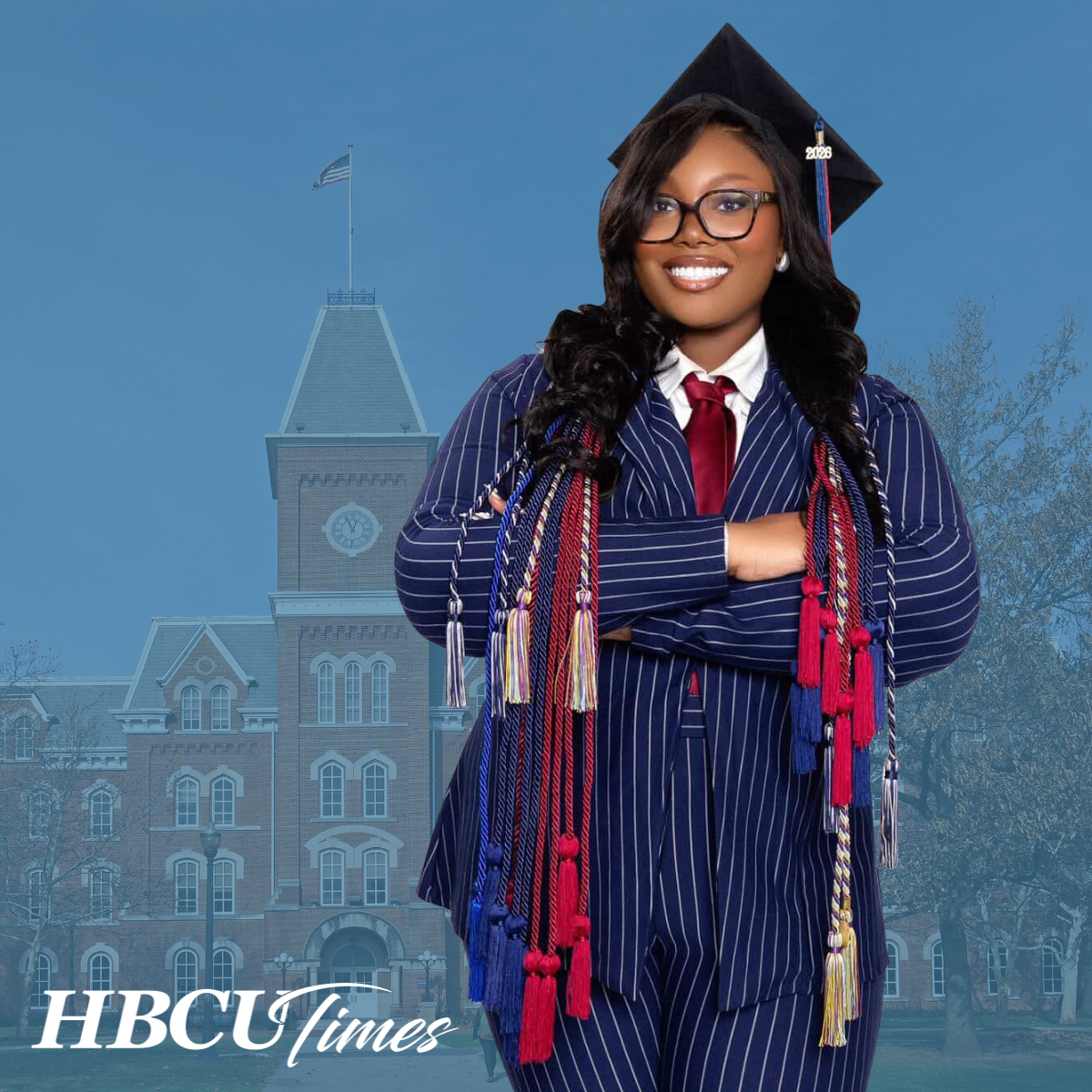
A new national study finds HBCU graduates outperform national benchmarks in several key measures, including personal well-being, workplace engagement, sense of belonging and satisfaction with their college experience.
The findings put new numbers behind something HBCU alumni have said for generations: The value of an HBCU education does not end at graduation.
“Proof of Promise: The Lasting Value and Impact of an HBCU Education,” a landmark study developed by the Dr. N. Joyce Payne Research Center at the Thurgood Marshall College Fund in partnership with Gallup, examines how HBCU graduates are doing after leaving college.
The research is being described as the largest assessment of HBCU alumni conducted to date. The full three-part project spans 64 four-year HBCUs and more than 500,000 documented alumni contacts.
The first installment focuses on alumni who graduated between 2010 and 2025 from 40 four-year HBCUs with usable data.
And across several measures, the results stand out.
HBCU Graduates Report Stronger Well-Being
One of the biggest differences showed up in how HBCU graduates view their lives after college.
According to the study, 70% of recent HBCU alumni are considered to be thriving in their everyday lives. That compares with 46% of Black adults nationally.
The numbers offer another way to measure the value of an HBCU education beyond graduation rates, salaries and other traditional higher education metrics.
The study also found that 83% of recent HBCU graduates reported having a strong sense of belonging at their institution, compared with a national benchmark of 65% among college graduates.
That connection remained strong among the newest graduates.
Alumni from the classes of 2021 through 2025 reported a 72% sense of belonging. While that was lower than the 85% reported among earlier graduates included in the study, it remained above the national benchmark.
HBCU Graduates Say Their Education Was Worth the Cost
With the cost of college continuing to be a major concern for students and families, researchers also looked at whether graduates believed their education was worth the investment.
Nearly eight in 10 recent HBCU alumni surveyed, 79%, said their education was worth the cost. The national benchmark was 72%.
The findings also showed strong loyalty to their alma maters.
Seventy-two percent of the HBCU alumni surveyed were considered promoters of their institutions, meaning they were highly likely to recommend their college or university to someone else.
Nationally, that figure was 44% among college graduates.
That difference is significant for HBCUs, where alumni traditions, homecomings, campus organizations and multigenerational connections often remain a major part of the college experience long after graduation.
The numbers help put a measurable value on those relationships.
HBCU Graduates See Strong Results in the Workplace
The study also examined what happens when HBCU graduates enter the workforce.
Forty-six percent of recent HBCU alumni were classified as engaged at work, compared with 31% of U.S. workers overall.
More than half, 52%, secured what the study defines as a good job within two months of graduation.
Another 39% already had a job waiting for them when they graduated.
Engineering graduates reported particularly strong employment outcomes, with 70% securing a good job within two months.
Those findings arrive at a time when colleges and universities across the country are facing increasing pressure to demonstrate the return on investment of a college degree.
Students and families are asking harder questions about tuition, career preparation and what happens after graduation. Employers and policymakers are also paying closer attention to whether institutions are preparing students for the workforce.
For HBCUs, the new research provides data that can be used to help answer some of those questions.
Dr. M.C. Brown II, executive director of the Payne Center, said the findings provide evidence of the long-term role HBCUs play in preparing students.
“The proof is here. HBCUs are delivering on their promise to their students, their communities and the nation,” Brown said.
Where HBCU Alumni Want More Career Development
The report also identified areas where graduates believe they could use additional support.
Networking topped the list.
According to the study, 46% of HBCU alumni surveyed said they wanted additional professional development related to networking.
Public speaking followed at 35%.
Another 34% identified generative artificial intelligence as an area where they wanted additional development.
The findings come as AI continues to reshape workplaces and change the skills employers expect from new and experienced workers.
For HBCUs, those responses could provide a roadmap for strengthening career services, alumni programming and professional development opportunities.
They also show that graduates are thinking about more than simply landing their first job. They are looking at the skills and relationships they will need to continue moving forward in their careers.
What the Study Says About the Value of HBCUs
The findings add to a growing body of research examining the economic and social impact of historically Black colleges and universities.
UNCF’s 2024 economic impact research found that HBCUs generate $16.5 billion in economic impact annually and support more than 136,000 jobs.
The organization also estimated that the 51,269 HBCU graduates in the class of 2021 can expect combined lifetime earnings of approximately $146 billion.
The new alumni research looks at the value of HBCUs from a different angle.
Instead of focusing only on how much graduates earn, researchers examined what happens to them after they leave campus.
Are they engaged at work?
Do they feel connected to their institution?
Would they recommend their college experience to someone else?
Do they believe the education they received was worth what they paid?
And are they thriving after graduation?
For many recent HBCU graduates included in the study, the answer is yes.
More HBCU Alumni Research Is Coming
Researchers are not finished examining the long-term impact of an HBCU education.
The second installment of the “Proof of Promise” project is expected in summer 2027 and will expand the research to earlier graduating classes.
A third installment is planned for summer 2028 and is expected to incorporate focus groups and interviews with HBCU graduates.
Together, the three installments are expected to provide one of the most comprehensive pictures yet of what happens to HBCU graduates after they leave campus.
For generations, alumni have talked about the relationships, culture, preparation and sense of community that set the HBCU experience apart.
Now, researchers are putting numbers behind that experience.
Source: Additional reporting and study coverage from theGrio.